TL;DR
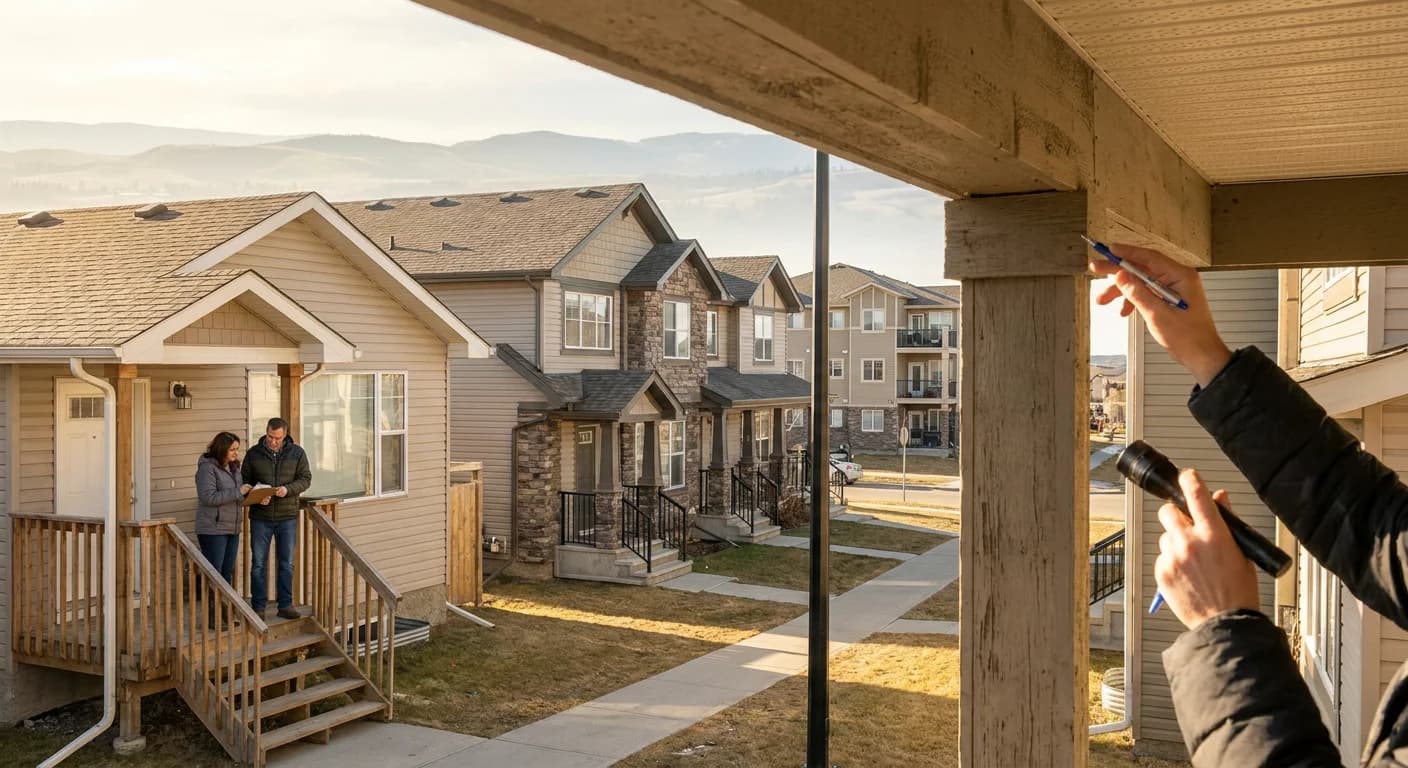
A professional home inspection in Calgary reviews accessible structural, exterior, electrical, plumbing, and mechanical systems before buyers waive conditions. Detached-home inspections generally cost $475 to $600. The report can expose foundation movement, water entry, hail damage, unsafe renovations, and other issues that support further investigation or renegotiation.
The Alberta Purchase Contract and Inspection Condition
In a typical Alberta Real Estate Association purchase contract, buyers can make their offer conditional on a satisfactory property inspection. This condition creates a defined period for investigating the home before the sale becomes firm.
Conditional periods often run from 5 to 10 business days. However, the exact date written into the contract controls. I encourage my clients to book an inspector as soon as the offer is accepted, especially during a busy YYC market.
A licensed inspector provides an independent opinion about readily accessible components. The assessment is non-invasive, so the inspector does not open walls, lift finished flooring, or dismantle equipment. It is not a warranty, insurance policy, or guarantee against future failures.
The written inspection contract should identify:
- The property, inspection date, and report delivery date
- The inspector and inspection business licence numbers
- Every system and structure included in the scope
- Excluded areas or services that require the buyer’s initials
The Government of Alberta’s inspection hiring guidance explains the required contract, report, licensing, and insurance protections.
Waiving the condition before completing due diligence transfers substantial risk to the buyer. Undiscovered electrical hazards, foundation damage, or illegal alterations may become the buyer’s responsibility after possession. A careful property inspection in Calgary creates time to understand those risks before making a binding decision.
How Much Does a Home Inspection in Calgary Cost?
Pre-purchase inspections generally cost $350 to $400 for condo apartments and $475 to $600 for standard detached homes up to 3,000 square feet. Larger properties commonly exceed $625 and can reach $700 or more.
The average home inspection cost for Calgary varies by property type and inspection scope:
| Property type | Typical price | Common scope considerations |
|---|---|---|
| Apartment condo | $350 to $400 | In-suite systems and accessible components |
| Townhome | From about $400 | Unit systems, accessible exterior areas, and shared boundaries |
| Detached home | $475 to $600 | Full exterior, structure, roof, utilities, and finished basement |
| Large home or acreage | $625 to $700+ | Extra floor area, outbuildings, wells, septic systems, or travel |
The main pricing factor is total finished square footage, including a developed basement. Age and construction complexity also matter. An older inner-city home with several additions may take longer than a newer starter home of similar size.
Ask whether GST, thermal imaging, drone roof photography, travel, and same-day reporting are included. A low headline fee may not cover the services you need.
Alberta rules prohibit inspectors from quoting repair or improvement costs. The home inspection cost in Calgary only covers the assessment and report. Repair estimates must come from independent qualified trades, such as electricians, roofers, plumbers, or structural engineers.
What Does a Home Inspector Look for in Alberta?
Licensed Alberta inspectors review accessible roofing, exterior drainage, structure, electrical systems, HVAC equipment, plumbing, insulation, and interior finishes. They also examine attached garages and visible life-safety concerns within the agreed contractual scope.
A practical home inspection checklist for Alberta should cover:
- Roof and exterior: shingles, flashings, chimneys, siding, windows, decks, and visible foundation walls
- Site drainage: lot slope, downspouts, retaining walls, surface runoff, and grading beside the foundation
- Structure: visible framing, settlement signs, floor movement, foundation cracks, and roof structure
- Electrical: service size, panel condition, grounding, visible wiring methods, outlets, and safety devices
- Mechanical: furnace age, operation, combustion air, exhaust venting, cooling equipment, and water heater
- Plumbing: supply piping, visible drains, fixtures, leaks, water flow, and shut-off locations
- Interior: walls, ceilings, floors, stairs, windows, doors, insulation, and accessible attic areas
Inspectors may identify copper, aluminum, or knob-and-tube wiring. They also look for unsafe panel alterations and signs of amateur work. In an attached garage, the review includes visible fire separation between the garage and living space.
Under Alberta standards for a home inspection business, an inspection is defined as an opinion on the condition of a dwelling based primarily on a non-invasive examination of readily accessible features and components. Detached garages, outbuildings, and environmental assessments are not automatically part of that baseline scope. Suspected hazardous materials such as mould or asbestos require separate testing by qualified specialists.
Regional Risks: Freeze-Thaw, Hail, and Attic Rain
Calgary’s climate creates inspection concerns when buying a home in Calgary. A home inspection in Calgary should pay close attention to drainage, foundations, roof coverings, and attic ventilation.
Repeated freeze-thaw cycles can move moisture through soils around the foundation. Expansive clay soils add pressure when water conditions change. Inspectors look for settlement, bowed walls, lateral shear cracks, uneven floors, and grading depressions that direct runoff toward the basement.
Attic rain is another local concern. Warm, humid indoor air can escape through ceiling penetrations during a winter cold snap. That moisture freezes against cold roof sheathing. When a chinook raises the temperature, the frost melts and may stain ceilings or soak insulation.
Summer hail can bruise asphalt shingles without creating an obvious hole. Inspectors also check for damaged flashings, cracked vinyl siding, dented vents, and compromised window components. The report may recommend a roofer’s opinion when damage is widespread or difficult to date.
I have walked through attractive homes where fresh paint distracted from moisture staining, poor grading, or damaged shingles. Cosmetic updates should never replace a careful review of how the property manages water.
Homes built between the late 1970s and early 1990s may contain Poly-B plumbing or legacy electrical components. Poly-B does not prove that a leak will occur. However, its presence can affect maintenance planning and insurance discussions. Older wiring methods may also require an electrician’s assessment before condition waiver.
Specialized Add-Ons: Sewer Scopes, Radon, and Thermal Imaging
Sewer-scope inspections
A sewer scope sends a video camera through the main building drain. It can reveal tree-root intrusion, cracked clay pipe, collapsed sections, offsets, or low areas called belly dips. This service can be valuable across established Calgary neighbourhoods with mature trees.
Typical pricing is about $100 when bundled with a full inspection and $200 as a standalone service. Ask where the camera will enter, whether the municipal connection can be reached, and whether the video is included.
Radon and infrared imaging
Radon is an invisible radioactive gas that can enter through foundation openings. Health authorities recommend testing in Calgary and southern Alberta. A short-term continuous monitor may provide useful information during a purchase window, but it does not replace longer-term testing after possession.
Thermal infrared cameras show surface-temperature differences. They can help locate insulation voids, cold spots, possible plumbing leaks, and electrical hotspots behind finished surfaces. Infrared imaging is a screening tool. An unusual reading still needs physical confirmation.
A private property inspection in Calgary is also different from a municipal inspection. City inspectors assess permitted building, electrical, and plumbing work against applicable safety requirements. They do not provide a complete pre-purchase condition report. Permit records and private inspections answer different buyer questions.
How to Vet Licensed Professionals in Alberta
Alberta regulates both individual inspectors and home inspection businesses. Buyers should verify that the person entering the property holds a current provincial licence. The operating business must also have its own valid licence.
Provincial business requirements include Errors and Omissions insurance and general liability coverage. E&O insurance addresses certain claims involving professional errors or missed observations. General liability coverage responds to property damage or injury connected with the inspection work.
Membership in CAHPI or InterNACHI may show additional training and professional involvement. It does not replace provincial licensing. Ask about the inspector’s background, continuing education, familiarity with Alberta construction, and experience with the property type you are buying.
Useful questions for home inspectors in Calgary include:
- Can I review a complete sample report?
- How long will you spend at the property?
- Can I attend the inspection and final walkthrough?
- Do you open the electrical panel when safe?
- Are thermal imaging and roof drone photography included?
- How do you inspect a roof when snow or safety limits access?
- When will the digital report be delivered?
I prefer reports that separate urgent safety issues from maintenance and future planning. A long report is not automatically a bad report. Photos, plain explanations, and clear priorities make it easier for my clients to decide what deserves follow-up.
What Is the Biggest Red Flag in an Inspection?
The biggest red flags are severe foundation movement, chronic water ingress, active electrical fire hazards, and unpermitted modifications that threaten safety or habitability. These concerns need specialist advice before a buyer removes conditions.
Not every defect is a reason to abandon the purchase. Worn weatherstripping, aging caulking, or a furnace approaching the end of its useful life may represent normal deferred maintenance. Buyers can plan and budget for these items.
Critical defects are different because they affect safety, structure, insurability, or legal use. Examples include:
- Displaced foundation cracks, bowed walls, or major floor movement
- Repeated basement water entry and widespread moisture damage
- Improper gas appliance venting or a backdrafting water heater
- Deteriorated electrical panels, overheated wiring, or unsafe modifications
- Basement bedrooms without suitable emergency egress
- Removed structural walls without evidence of proper support
An unpermitted basement suite also creates downstream risk. The layout may have deficient fire separation, unsafe electrical work, inadequate exits, or ventilation problems. A buyer should investigate permits and legal status rather than relying on how the space is marketed.
A general inspector may recommend an engineer, electrician, plumber, roofer, or HVAC contractor. That referral recognizes the limits of a non-invasive inspection and helps the buyer obtain a specialist diagnosis before making a contractual decision.
Negotiating Repairs, Credits, or Condition Waiver
Once the digital report arrives, buyers should focus on safety, structure, water management, and expensive system failures. A list of every loose handle can weaken a request that contains serious concerns.
I review the findings with my buyer and separate them into three groups: immediate safety issues, significant defects needing quotations, and routine ownership maintenance. We then consider the property’s price, competing interest, and the remaining conditional timeline.
Possible responses include:
- Requesting a written repair amendment with clear standards
- Renegotiating the purchase price
- Seeking a closing credit or lawyer-managed holdback
- Ordering specialist assessments before making a decision
- Declining to waive the condition and ending the transaction
A financial adjustment is often preferable to rushed seller repairs. The buyer can choose the contractor, approve the scope, and keep documentation after possession. Any credit or holdback must be structured properly through the contract and closing lawyers.
Market conditions affect leverage. Buyers may have more negotiating room in a balanced or buyer-favouring market. In a competitive seller’s market, the seller may refuse changes. The inspection still provides information needed to decide whether the property remains acceptable.
CREB’s industry advice on serious inspection issues recommends bringing in an expert to quote major defects so buyers can negotiate a price reduction or specific repair terms. If negotiations do not produce an acceptable solution, the buyer retains the contractual option not to waive the condition.