TL;DR
Lake Bonavista real estate remains supported by lake access, larger lots and limited housing turnover, even as Calgary enters a more balanced market. Buyers have more room to compare and negotiate, while sellers need realistic pricing, strong presentation and a clear understanding of how assessments differ from current market value.
What Is Changing in Lake Bonavista Real Estate?
The community remains highly desirable, but the pace and tone of the market have changed. Buyers are more selective than they were during Calgary’s rapid appreciation years, and sellers cannot rely on broad market momentum alone.
Calgary’s resale market cooled through 2025 and 2026. Sales slowed, homes took longer to sell, and benchmark prices softened modestly in several housing categories. Detached homes held up better than apartments, which matters in a community dominated by single-family properties.
Lake Bonavista also has limited room for large new developments. Its housing supply grows mainly through renovations, replacement homes and small infill projects. According to the City neighbourhood profile, 320 permits representing about $33.8 million in investment have been issued since 2024. That total includes 51 new-construction permits.
This gradual renewal creates a varied market. One street may include an original split-level, an extensively renovated family home and a newer replacement property. Buyers should not assume that two homes with similar lot sizes deserve similar prices.
For Lake Bonavista real estate, this means condition and location now carry more weight during negotiations.
I see balanced conditions as a healthier setting for careful decisions. Buyers can complete their due diligence, while sellers can still attract serious interest when the home is prepared and priced correctly.
Why Does Lake Bonavista Remain in Demand?
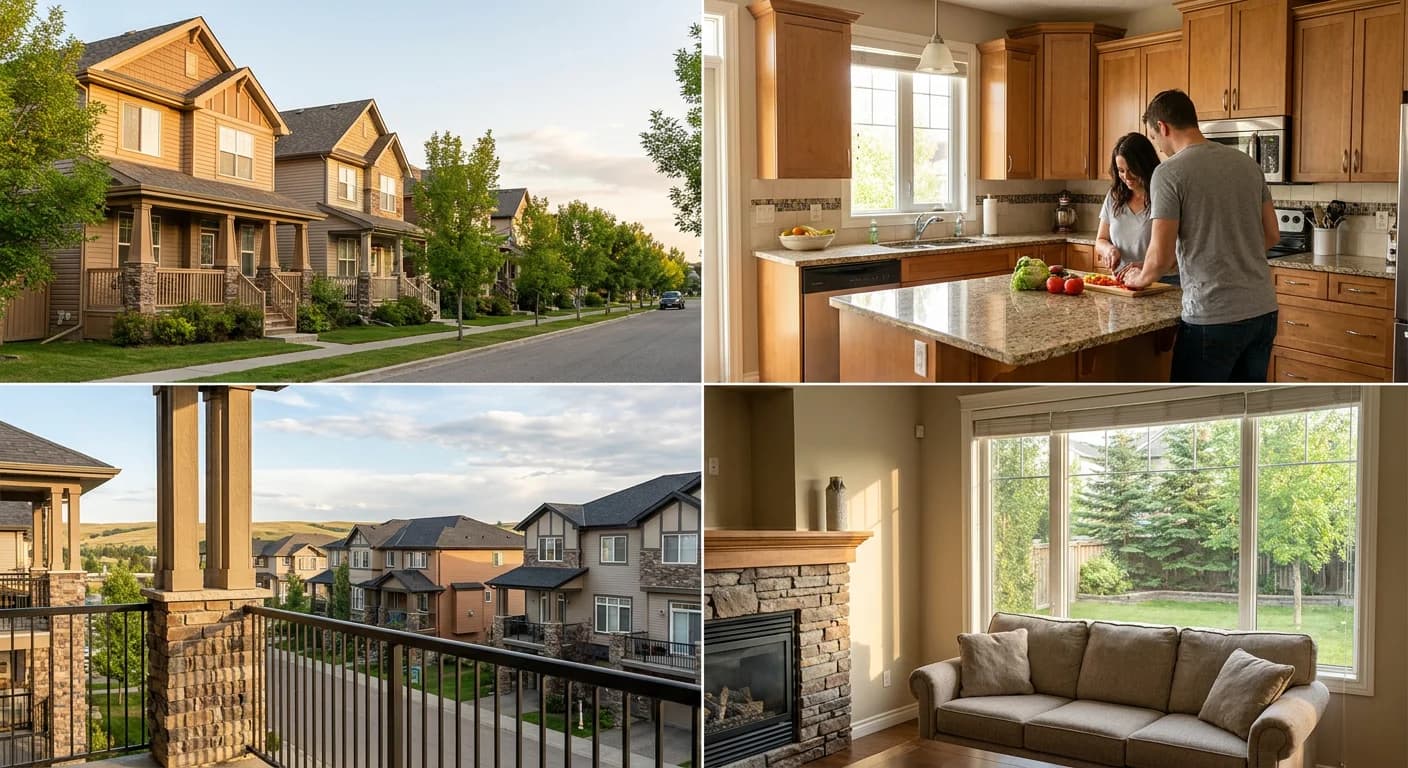
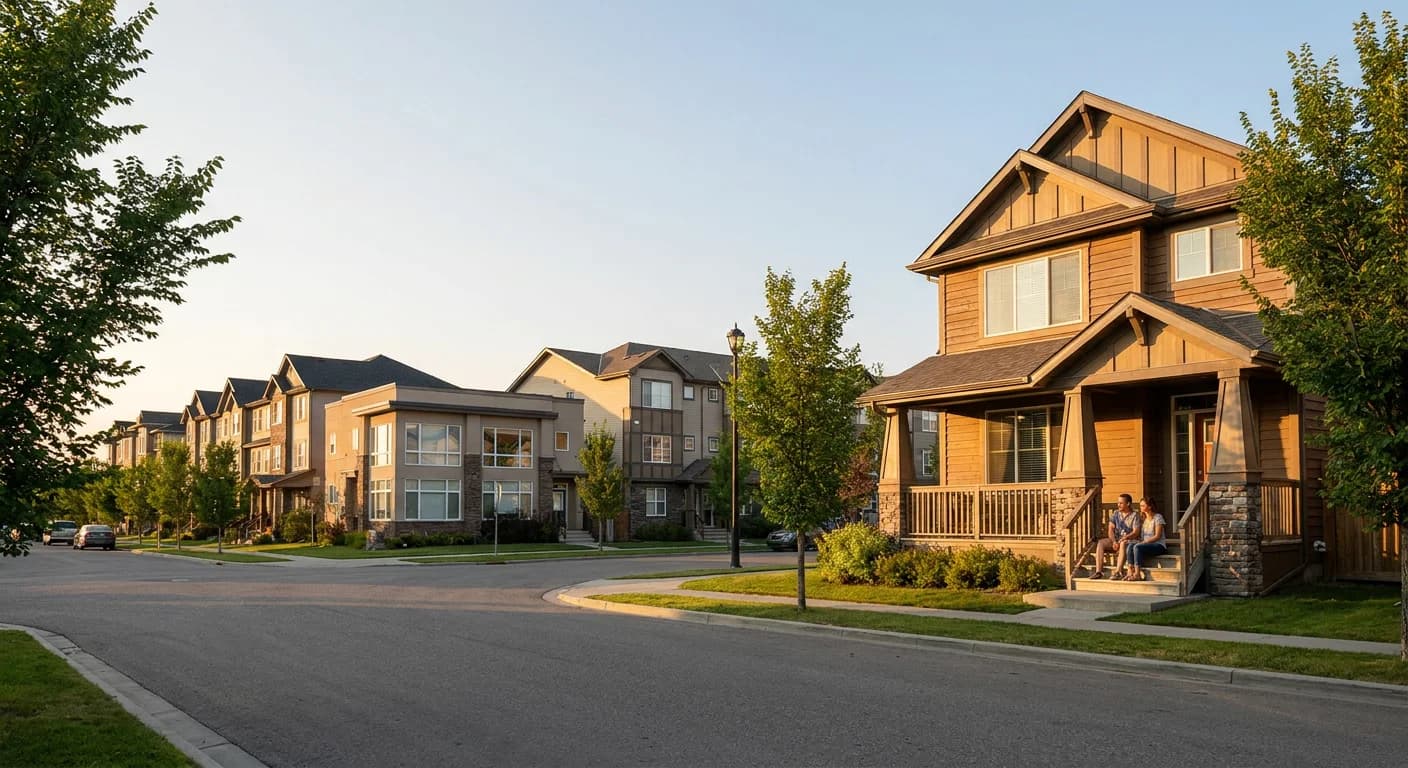
Lake Bonavista offers a combination that is hard to reproduce in a new subdivision. It has an established lake, mature streets, family-sized homes, larger lots and immediate access to Fish Creek Provincial Park.
The community began development in 1967 and became known as Canada’s first residential neighbourhood built around a man-made recreational lake. Its housing stock includes two-storey homes, bungalows, split-level properties, townhouses and some duplexes. Many detached homes date from the 1970s and 1980s.
The lake supports activities such as swimming, boating, fishing and skating. Parks and pathways add value for households that want recreation close to home. Macleod Trail also provides access to employment areas, shopping and services across south Calgary.
Local demographics help explain the limited turnover. City data for 2021 recorded 10,145 residents and 5,133 residential properties. About 34.3% of residents were between 40 and 64, while 24.2% were 65 or older. Many owners have deep roots in the neighbourhood and move only when their housing needs change.
Earlier civic data also showed that about 87% of occupied homes were owner-occupied. High ownership can reduce the number of listings available at any given time.
These qualities do not guarantee rising prices. They do create steady lifestyle demand, where purchases factor in lake privileges, yard space, community stability and access to established amenities.
What Do Homes in Lake Bonavista Cost?
There is no single reliable price for a home here. Values differ based on renovation quality, lot position, home style, lake access, garage configuration and the amount of work still required.
Municipal assessments show how quickly the area’s tax values increased during the recent Calgary housing boom. They should not be treated as current sale prices.
| Assessment year | Average assessed value | Annual change |
|---|---|---|
| 2023 | About $604,429 | Baseline |
| 2024 | About $651,427 | About 7.8% |
| 2025 | About $751,457 | About 15.4% |
The City’s more recent profile places the average assessment near $763,000 across the community. That is an average covering many property types and conditions. A dated home on an interior street should not be compared directly with a renovated property offering direct lake access.
An assessment is prepared for property taxation. A market evaluation estimates what buyers may pay under current conditions. It considers recent comparable activity, competing listings, layout, upgrades and location.
Calgary’s broader market also provides context. Between 2019 and 2025, annual detached-home sale prices increased by about 52.3% citywide. By the second quarter of 2026, detached median prices were down about 1% year over year.
I prepare a property-specific comparison rather than applying a neighbourhood average. In this community, renovation scope and micro-location can create meaningful differences between otherwise similar houses.
What Should Buyers Check Before Making an Offer?
Buyers should examine the home, the lot and the ownership obligations attached to the property. A good location does not remove the need for financing, inspection and document conditions.
Many houses were built several decades ago. Some have undergone full renovations, while others have received cosmetic updates only. Buyers should clarify what was changed, when the work occurred and whether permits were required.
- Building systems: Review the roof, furnace, electrical components, plumbing and drainage.
- Renovation quality: Distinguish structural improvements from new flooring, paint or cabinets.
- Water management: Look at grading, foundation conditions and signs of past moisture.
- Layout: Decide whether older room sizes and split-level designs fit daily life.
- Lake access: Confirm the property’s privileges, applicable fees and related rules.
- Future work: Estimate which improvements are urgent and which can wait.
Waterfront buyers should examine privacy, outdoor maintenance and the exact nature of the property’s lake access. A view of the water does not guarantee direct access.
First-time buyers may find the detached-home price range difficult without substantial savings or family support. Townhouse and apartment options can provide a lower entry point, although the community has fewer of these homes than many parts of YYC.
I encourage my clients to compare total monthly ownership costs. Mortgage payments, property taxes, utilities, insurance, lake-related fees and planned repairs all affect affordability.
How Should Sellers Prepare for a Balanced Market?
Sellers should price against current competition rather than the strongest sale from a past market. Buyers still pay for quality, but they are less likely to overlook dated finishes, deferred maintenance or an ambitious asking price.
Calgary records show the shift. In September 2026, sales declined about 4% from the same month in 2025. The benchmark price eased from $571,400 to $566,700, while average days on market increased from 42 to 44. The CREB® housing summary also showed lower year-to-date activity.
Citywide numbers do not set the value of an individual home, but they show why launch strategy matters. A listing that misses the market may sit while newer competition attracts attention.
My approach starts with the likely buyer. A move-up family may care about bedrooms, yard space and renovation quality. A downsizer may focus on stairs, maintenance and access to daily services. Marketing should address the home’s real strengths without hiding practical limitations.
- Complete visible repairs before photography and showings.
- Remove excess furniture so buyers can understand the layout.
- Document major upgrades, permits and maintenance where available.
- Price within the current competitive range.
- Review feedback early instead of waiting for the listing to become stale.
A renovated house may justify a premium, but buyers pay for usefulness, quality and location rather than reimbursing past renovation spending dollar for dollar.
Are Waterfront Homes and Investment Properties Different?
Yes. Direct lake access can create a meaningful lifestyle premium, while investment properties must also work under Calgary’s softer rental conditions. Neither category should be valued from a general neighbourhood average.
Waterfront homes appeal to a smaller but motivated buyer pool. Exposure, privacy, lot shape, outdoor space and renovation quality can all affect demand. Buyers should verify what belongs to the property and what is governed through community arrangements.
For investors, the numbers require caution. Lake Bonavista has historically been a heavily owner-occupied neighbourhood. Civic data from 2014 showed that about 80% of occupied dwellings were single-family homes and roughly 87% were owner-occupied.
Calgary’s rental market has also gained supply. CMHC reported a vacancy rate near 4.6% in 2024 and 5.1% in 2025. Its outlook projected the rate could rise to about 5.7% in 2026, subject to changing economic and population conditions.
That environment gives renters more choice and limits aggressive rent growth. A high-priced detached rental can face pressure from financing costs, maintenance and competing housing options.
An investor should test the property using conservative assumptions. The plan should account for vacancy, repairs, insurance, taxes and financing. Relying only on future appreciation creates unnecessary risk.
The strongest local investment case may involve a long holding period or a distinctive rental offering. Even then, the property must fit the investor’s cash flow and risk tolerance.
What Could Happen Next in the Local Market?
The most likely direction is gradual normalization. Outlooks from CMHC, TD Economics and RBC point to slower activity, balanced conditions and modest price movement, although forecasts can change.
Calgary still has supportive fundamentals. Population growth remains positive, and Alberta’s economy has continued to benefit from employment and energy-sector activity. The City projected Calgary’s population at approximately 1.87 million in 2026, rising to about 1.93 million by 2028.
Broader housing supply trends across major centres also provide context. In its housing supply report, CMHC notes that construction activity is shifting from ownership housing toward rental development.
Lake Bonavista will not absorb that supply directly because it is already built out. Added housing elsewhere gives buyers more alternatives and reduces pressure across Calgary.
Interest rates remain another major variable. Higher borrowing costs reduce purchasing power, especially for move-up buyers seeking detached homes. If financing becomes easier, demand may strengthen. If rates rise or employment weakens, buyers may become more cautious.
Buyers should focus on long-term fit, sound inspections and affordable payments. Sellers should rely on current market evidence. Downsizers should plan the sale and next purchase together, especially when timing and possession dates matter.
Lake Bonavista’s lake, parks and established character should continue to support demand. In a balanced market, though, good decisions come from property-level details rather than assumptions about the neighbourhood name.